Yoga

Variation


An asana practice that does not vary becomes routine. Attention diminishes, the body performs movements automatically, and the experience becomes empty of content. Asana variations exist for two reasons: to direct practice toward a specific physical need and to renew attention. Both are equally important.

The most direct way to vary an asana is to modify its physical structure. In uttanasana, for example, slightly bending the knees during exhalation reduces pressure on the lower back and allows for a deeper forward bend without risk. Raising the arms only halfway through the movement instead of completing it directs the work toward the muscles of the middle back. Every modification in the position of the arms, legs, or torso redirects the effect of the asana toward a different area of the body.

Breath is another variable that completely transforms the character of a posture. In paścimatanasana, which naturally works on the abdomen and lower back, focusing attention on a deliberate and sustained exhalation intensifies that effect. If, instead, inhalation is emphasized and retained afterward, the work shifts toward the chest area. Reversing the usual pattern—exhaling while rising instead of inhaling—forces the appropriate muscles to activate and reveals which structures of the body had been compensating for the movement.

A third form of variation is rhythm: dividing the asana into intermediate steps. Instead of reaching the final position in a single movement, one may descend only halfway during the first exhalation, pause, stabilize the back, and complete the forward bend during the second. This procedure not only changes the experience of the asana; it changes the quality of attention given to it.

The preparation preceding the main asana can also be varied. Preparatory exercises largely determine where the effects of the posture will be felt. A different preparation may cause an asana that seemed to produce no sensation at all to begin revealing its true function.

Behind every traditional posture lies a principle that gives it meaning. Paścimatanasana is not simply a stretch of the posterior chain; its purpose is to facilitate the movement of the breath along the entire back. Uṣṭrasana is not merely a backbend; it opens the chest space so that the breath can circulate through the front of the body. Without understanding this underlying principle, variations are arbitrary. With it, every modification has a direction.

The criterion for evaluating any variation is always the same: the breath. If the breath remains smooth and continuous throughout the movement, the variation is appropriate. If it becomes interrupted, forced, or irregular, the body has reached its limit. The goal is not to achieve a particular form, but to maintain the union between movement and breath. That union is what sustains the practice.

November 2026

AUM

Cultura Yoga

AUM
November 19, 2026

Enter
Turiya

Cultura Yoga

Turiya
November 17, 2026

Enter
Tantra

Cultura Yoga

Tantra
November 12, 2026

Enter
Bandhas Nadis Mudras

Cultura Yoga

Bandhas Nadis Mudras
November 10, 2026

Enter
Kundalini

Cultura Yoga

Kundalini
November 5, 2026

Enter
Kriya

Cultura Yoga

Kriya
November 3, 2026

Enter
Gita

Cultura Yoga

Gita
November 1, 2026

Enter
Ayurveda

Cultura Yoga

Ayurveda
November 1, 2026

Enter

Yoga Classes

Yoga classes offer a space where mind and body integrate, cultivating balance and well-being. It is not just about physical postures, but also about breathing with awareness and finding serenity through practice.

Each session invites you to dedicate a moment to yourself, combining movement, breathing, and calm. Over time, yoga strengthens the body, quiets the mind, and helps generate holistic well-being.

Meditation tip

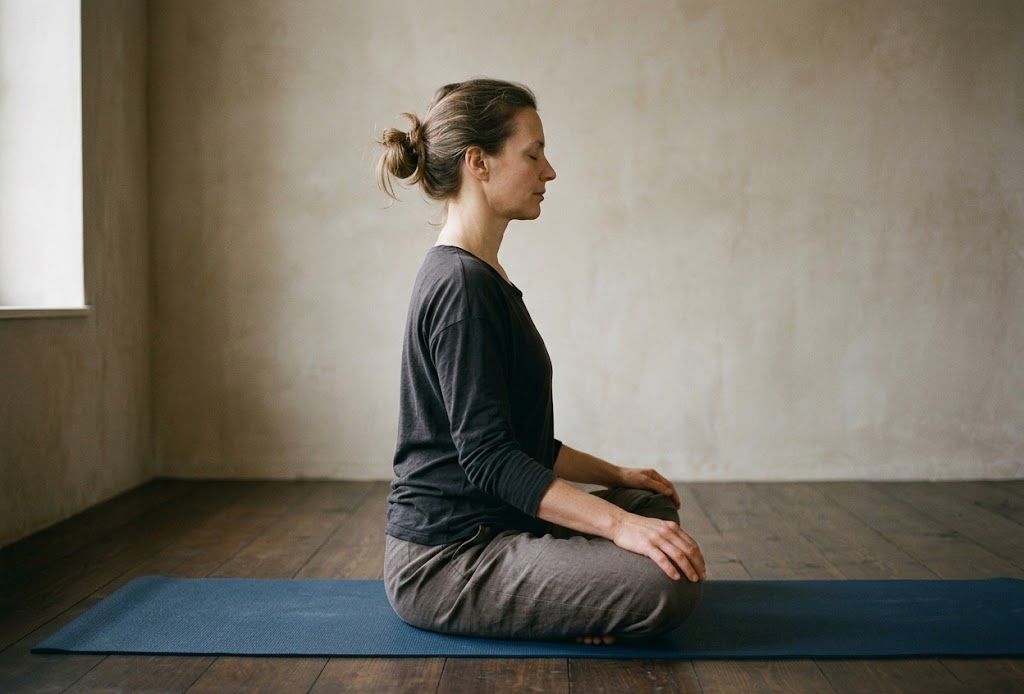
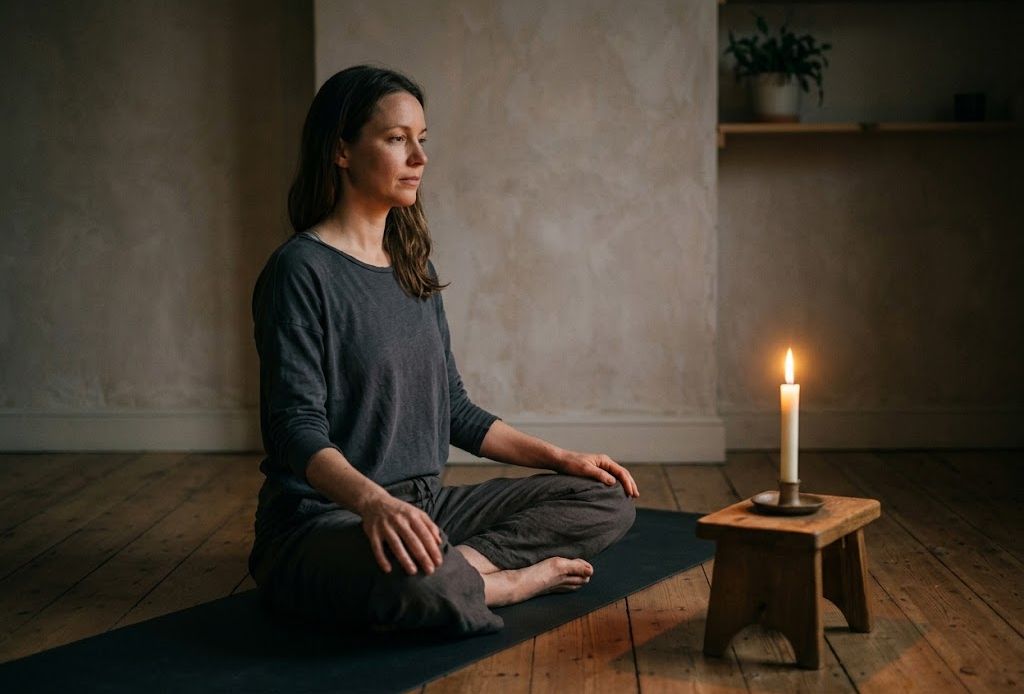
Find a quiet place and get comfortable, seated or lying down, whichever works best for you. Try starting with just three minutes: close your eyes and follow the rhythm of your breath. When your mind wanders, which it will, gently return to your breath without judging yourself. That returning, again and again, is the practice.

Contact

Activities 2027

Astrology: Workshops 2027

- 100% Online Workshops.
- Each workshop is independent.
- Virtual Classroom with all the content.

Join one or all of them. Throughout the year we move from the fundamentals to practical application, to better understand your own inner processes.

Yoga and Meditation: Workshops 2027

- 100% Online Workshops.
- Each workshop is independent.
- Virtual Classroom with all the content.

Join one or all of them. Spaces to practice, learn and find balance, with topics to be confirmed.